| University | Semester | Year | Course | Department | Instructor(s) | Students Enrolled |
|---|---|---|---|---|---|---|
| University of Virginia | Spring | 2017 | Problem-Driven Philanthropy | Leadership and Public Policy | Paul Martin | 14 students |
| University of Virginia | Fall | 2016 | Foundations, NGOs, and Public Policy | Leadership and Public Policy | Paul Martin, Grey McLean | 21 students |
| University of Virginia | Spring | 2016 | Problem-Driven Philanthropy | Leadership and Public Policy | Paul Martin | 15 students |
| University of Virginia | Fall | 2015 | Foundations, NGOs, and Public Policy | Leadership and Public Policy | Paul Martin, Grey McLean | 19 students |
| University of Virginia | Spring | 2015 | Private Initiatives and Public Problems | Public Policy | Paul Martin | 16 students |
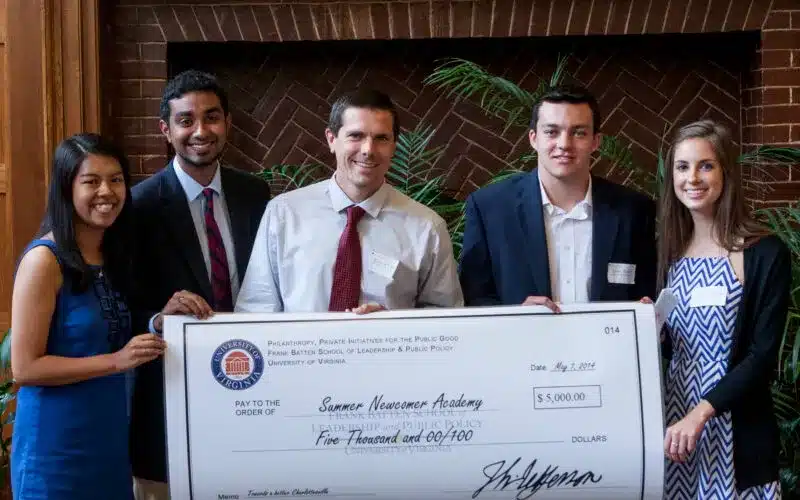
| University of Virginia | Spring | 2014 | Philanthropy: Private Initiatives for the Public Good | Public Policy | Paul Martin | 20 students |
| University of Virginia | Spring | 2013 | Philanthropy: Private Initiatives for the Public Good | Public Policy | Paul Martin | 24 students |
| University of Virginia | Spring | 2012 | Philanthropy: Private Initiatives for the Public Good | Public Policy | Paul Martin | 29 students |

Foundations, NGOs, and Public Policy
Taught by Paul Martin, Grey McLean
Department of Leadership & Public Policy
Paul Martin is a political scientist that studies the interplay between Congress and Mass Political Behavior. He received his Ph.D. in 2000 from the University of Wisconsin-Madison and has served as a professor at the University of Oklahoma and as research professor at the University of Virginia. From 2003 to 2004, he was an APSA Congressional Fellow in the office of Congressman David R. Obey. He is currently the Director of Professional Development and Alumni Affairs at the Frank Batten School of Leadership and Public Policy. Most recently his research has focused on congressional responses to political participation, specifically voter turnout. His research has been published by the American Political Science Review, the American Journal of Politics, Political Psychology, and Political Behavior.
Professor requires weekly progress memos to update him on three things:
- what did you do this week?
- what will you do next week?
- are there problems in the group that need professor attention
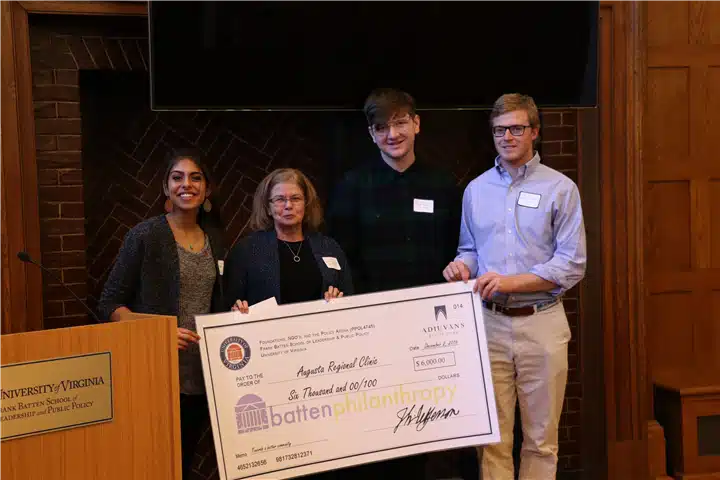
Grey McLean/ Aduivans Foundation partnership